Fidget Toys for Anxiety Relief: Science-Backed Stress Management Tools
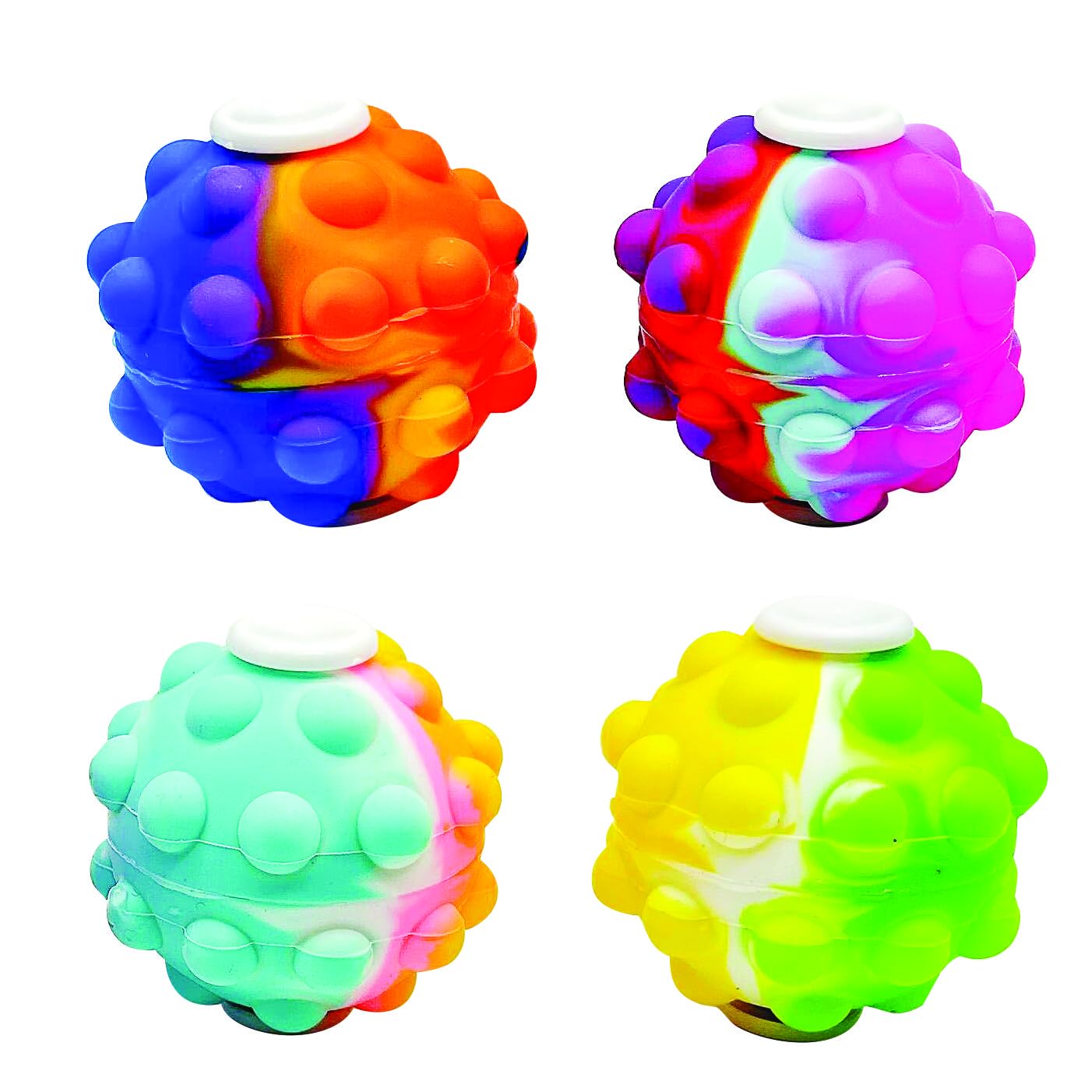
Explore how fidget toys provide effective anxiety relief through tactile stimulation and repetitive motion. Learn the science behind stress reduction and discover which fidgets work best for anxiety management.
Anxiety affects millions of people worldwide, manifesting as persistent worry, physical tension, and overwhelming stress. While professional treatment remains essential for anxiety disorders, fidget toys have emerged as accessible, effective tools for managing anxiety symptoms and providing immediate stress relief in everyday situations.
The Science of Anxiety and Tactile Stimulation
Anxiety triggers the body's stress response, flooding the system with cortisol and adrenaline. This physiological reaction can make it difficult to focus, relax, or think clearly. Tactile stimulation through fidget toys engages the sensory system in a way that can help regulate this stress response.
When we engage in repetitive, soothing movements with fidget toys, we activate the parasympathetic nervous system—the body's natural calming mechanism. This activation helps counteract the fight-or-flight response triggered by anxiety, leading to reduced heart rate, lower blood pressure, and decreased muscle tension.
Research in neuroscience shows that tactile stimulation releases endorphins and can increase the production of serotonin and dopamine—neurotransmitters associated with mood regulation and feelings of wellbeing. This explains why many people instinctively reach for objects to fidget with when feeling anxious.
How Fidget Toys Reduce Anxiety
Fidget toys provide anxiety relief through several mechanisms:
Grounding and Present-Moment Awareness: Anxiety often involves rumination about the future or past. Fidget toys bring attention to the present moment through physical sensation, acting as a grounding technique that interrupts anxious thought patterns.
Physical Tension Release: Anxiety creates muscle tension throughout the body. The act of squeezing, twisting, or manipulating a fidget toy provides a physical outlet for this tension, leading to muscle relaxation and reduced physical symptoms of anxiety.
Distraction and Cognitive Shifting: While not a long-term solution, fidget toys can provide temporary distraction from anxious thoughts, giving the mind a break and allowing for cognitive reframing.
Sense of Control: Anxiety often involves feelings of helplessness. Having a fidget tool provides a sense of control—something you can actively do to manage your symptoms.
Ritual and Comfort: Regular use of a favorite fidget toy can become a comforting ritual, similar to deep breathing or meditation. The familiarity of the object and action provides reassurance during anxious moments.
Best Fidget Toys for Anxiety Relief
Different types of fidget toys offer varying benefits for anxiety management:
Stress Balls: The squeezing motion provides immediate physical tension release. Memory foam stress balls that slowly return to shape offer particularly satisfying tactile feedback. The repetitive squeezing action can be deeply calming.
Pop It Toys: The satisfying popping sensation and sound provide both tactile and auditory stimulation. The repetitive nature of popping bubbles can be meditative and calming. Many people find the predictable, controllable action soothing during anxious moments.
Magnetic Putty and Balls: These offer creative engagement that can shift focus away from anxious thoughts. The smooth, flowing manipulation of magnetic materials provides calming sensory input while engaging the mind in a constructive way.
Textured Sensory Toys: Items with varied textures provide rich sensory input that can be grounding. Rubbing different textures engages the sense of touch in a way that brings awareness to the present moment.
Fidget Cubes: Multiple tactile options in one tool allow users to match their fidgeting to their current anxiety level. Different sides offer different types of stimulation, from gentle to more engaging.
Using Fidget Toys for Anxiety Management
To maximize anxiety relief from fidget toys:
Identify Trigger Situations: Recognize when you typically feel anxious (meetings, social situations, waiting rooms) and keep appropriate fidgets accessible for these moments.
Practice Mindful Fidgeting: Rather than fidgeting mindlessly, pay attention to the sensations—the texture, temperature, weight, and movement of the toy. This mindful approach enhances the grounding effect.
Combine with Breathing: Pair fidget toy use with deep breathing exercises. For example, squeeze a stress ball while inhaling, release while exhaling. This combination can be particularly effective.
Create a Fidget Toolkit: Keep different types of fidgets in various locations—your desk, car, bag, and bedside table. Having options available ensures you can access anxiety relief whenever needed.
Establish Calming Routines: Use fidget toys as part of anxiety management routines. For example, spend five minutes with a fidget toy before stressful events or use one during your evening wind-down routine.
Fidget Toys for Different Anxiety Situations
Social Anxiety: Discreet fidgets like fidget rings, small stress balls, or pocket-sized cubes work well in social situations. These can be used subtly without drawing attention.
Work-Related Anxiety: Professional-looking fidgets like magnetic sculpture toys or elegant fidget cubes are appropriate for office settings. These can be kept on your desk and used during stressful calls or meetings.
Test and Performance Anxiety: Quiet, non-distracting fidgets like tangle toys or smooth stones can be used during exams or performances (with permission). The subtle movement helps manage anxiety without causing distraction.
Generalized Anxiety: For ongoing anxiety throughout the day, wearable fidgets like textured rings or bracelets provide constant access to calming sensory input.
Panic Attack Management: During acute anxiety or panic attacks, strongly textured or resistive fidgets can provide grounding. Stress balls, spiky sensory toys, or ice-cold objects can help interrupt the panic response.
Scientific Research on Fidget Toys and Anxiety
Multiple studies support the use of fidget toys for anxiety management. Research published in the Journal of Occupational Therapy shows that tactile stimulation can reduce cortisol levels and activate the parasympathetic nervous system. Another study in the American Journal of Occupational Therapy found that fidget tools helped reduce anxiety in children and adults across various settings.
Occupational therapists and mental health professionals increasingly recommend fidget toys as part of comprehensive anxiety treatment plans. These tools complement other evidence-based treatments like cognitive-behavioral therapy, medication, and mindfulness practices.
Fidget Toys Across Age Groups
Children with Anxiety: Young children benefit from colorful, engaging fidgets that provide strong sensory feedback. Squishy toys, pop-its, and textured balls work well. Parents and teachers should introduce these as coping tools and teach children when and how to use them.
Teenagers with Anxiety: Adolescents often prefer fidgets that don't look childish. Fidget cubes, spinners, and magnetic toys appeal to this age group. These tools can be particularly helpful during the stressful teenage years.
Adults with Anxiety: Adults benefit from sophisticated, professional-looking fidgets that can be used in work and social settings without embarrassment. Elegant stress balls, magnetic sculptures, and premium fidget cubes are popular choices.
Beyond Fidget Toys: Comprehensive Anxiety Management
While fidget toys are valuable tools, they work best as part of a comprehensive anxiety management approach that may include:
- Professional therapy (CBT, exposure therapy, etc.) - Medication when appropriate - Regular exercise and physical activity - Mindfulness and meditation practices - Adequate sleep and nutrition - Social support and connection - Stress management techniques
Fidget toys should be viewed as one tool in your anxiety management toolkit—accessible, portable, and effective for immediate relief, but most powerful when combined with other evidence-based strategies.
Conclusion
Fidget toys offer a simple, accessible, and scientifically supported approach to anxiety management. By providing tactile stimulation, promoting present-moment awareness, and offering a physical outlet for tension, these tools can significantly reduce anxiety symptoms and improve quality of life.
Whether you experience occasional situational anxiety or live with a diagnosed anxiety disorder, fidget toys can be valuable allies in your journey toward better mental health. They provide immediate, portable relief that can be accessed whenever and wherever anxiety strikes, empowering you to take an active role in managing your wellbeing.
Last updated: December 5, 2025